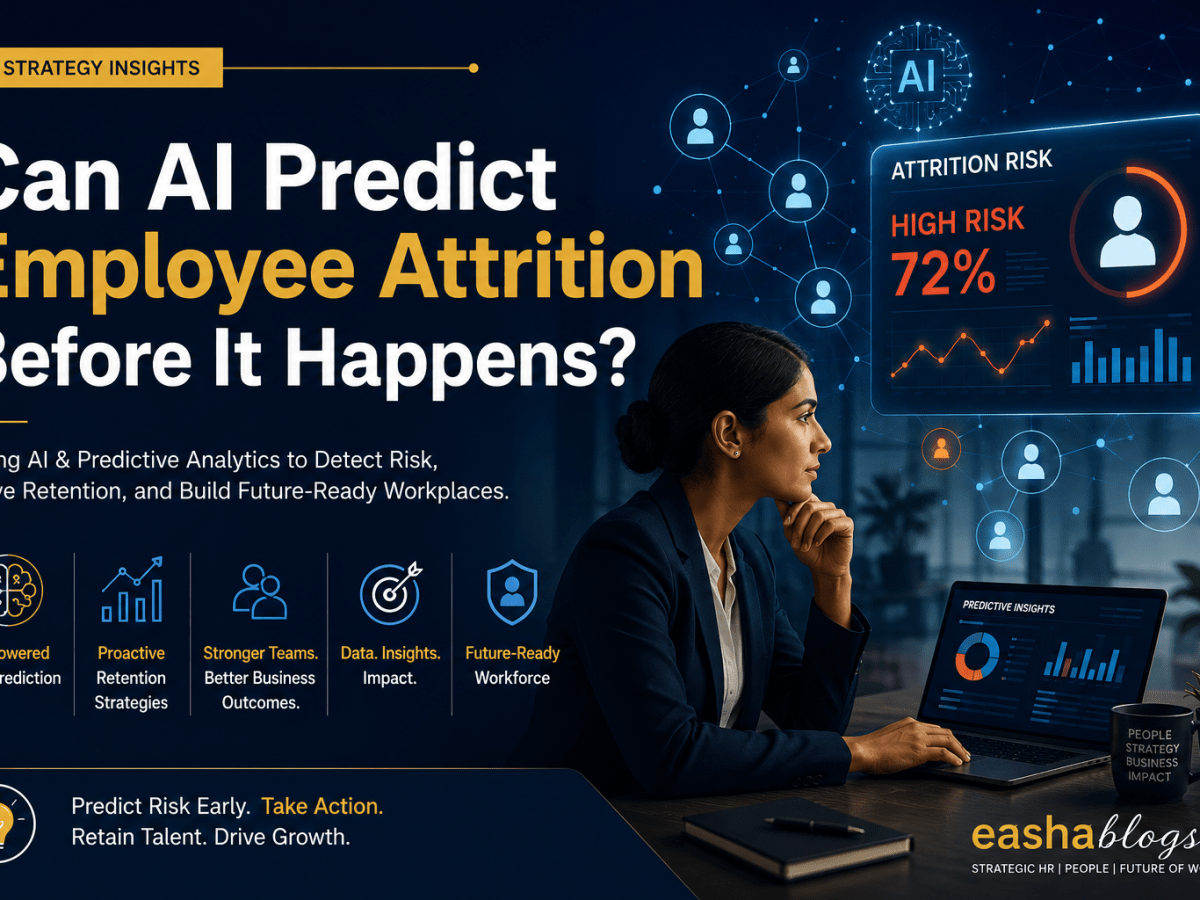
Can AI Predict Attrition Early?
Employee attrition has evolved from being an HR metric to becoming a critical business risk. Organizations today are not only losing employees, but they are also losing institutional knowledge, leadership continuity, productivity, customer relationships, and future growth potential. For years, attrition management remained reactive. Employees resigned, exit interviews were conducted, and organizations attempted to understand…
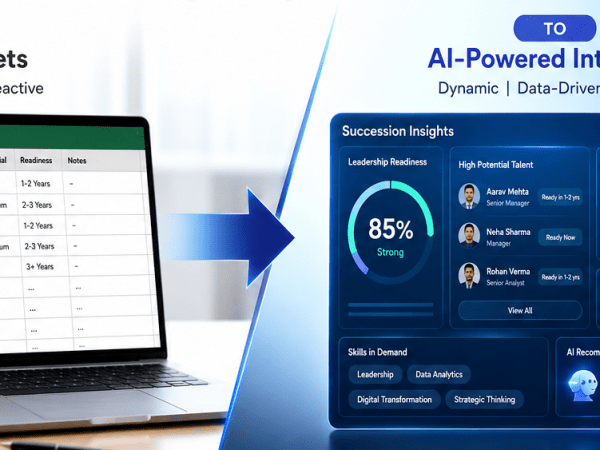
Evolving Succession Planning: From Spreadsheets to AI
For decades, succession planning in organizations revolved around confidential spreadsheets, annual talent discussions, and a handful of “High Potential” employees identified by leadership teams. While these traditional methods helped organizations prepare future leaders, they were often limited by subjectivity, bias, and outdated information. Today, the workplace has changed dramatically. Businesses are operating in faster, more…

Why Skills? Not Jobs, Are the Future of Workforce Planning
For decades, workforce planning has revolved around jobs—static roles defined by titles, hierarchies, and headcount plans. But in today’s environment of rapid technological change, evolving customer expectations, and continuous business disruption, this approach is no longer sufficient. Organizations that continue to plan around jobs risk skill obsolescence, talent shortages, and declining agility. The future of…

How ROI Drives HR Value and Business Success
ROI (Return on Investment) is important in HR, Calculating ROI allows HR professionals to demonstrate the value of these initiatives by quantifying the return generated in terms of improved employee performance, productivity, and organizational outcomes. By identifying which HR programs deliver the highest ROI, organizations can allocate resources strategically to initiatives that drive the most…
How to Execute Strategic Workforce Planning in Mid-Size Companies
Strategic Workforce Planning (SWP) is a proactive approach to ensuring an organization has the right people, in the right roles, at the right time. It involves analyzing current workforce capabilities, predicting future talent needs, and aligning HR strategies with business goals. SWP integrates data-driven insights, talent forecasting, and succession planning to build a resilient and…
How to be a better STRATEGIC HR PARTNER?
You’ve likely heard that YOU, the HR professional, are a strategic business partner. But what does that really mean? When your fellow team members mention the strategic direction of the company, where do you fit in? By focusing on these areas, as strategic HR we can definitely increase the employee productivity and enable business goals…
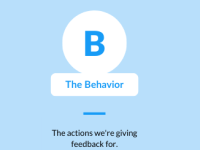
SBI MODEL – GIVING FEEDBACK
The Situation-Behavior-Impact (SBI) model, renowned for its effectiveness in delivering feedback, is widely employed in corporate settings, particularly during performance review sessions. The SBI method aims to ensure that feedback is conveyed with clarity, enabling individuals to comprehend and enhance their skills. Here’s a guide on how to apply the SBI model for feedback delivery:…
“PIP” What? Why? Business Need?
PIP “Performance Improvement Plan” is a strategic tool for organizations to address performance challenges, foster employee development, and align individual efforts with organizational goals. They contribute to a positive work culture and overall organizational success when implemented effectively. The primary objective of implementing a PIP “Performance Improvement Plan” is to address and rectify employee performance…

How a New Joiner Gets Disengaged?
Disengagement among new employees can occur for various reasons and can have a significant impact on an organization’s productivity and infant mortality or retention rates. Here are some common factors that can lead to disengagement among new joiners: To prevent disengagement among new joiners, organizations should focus on creating a supportive, transparent, and inclusive onboarding…
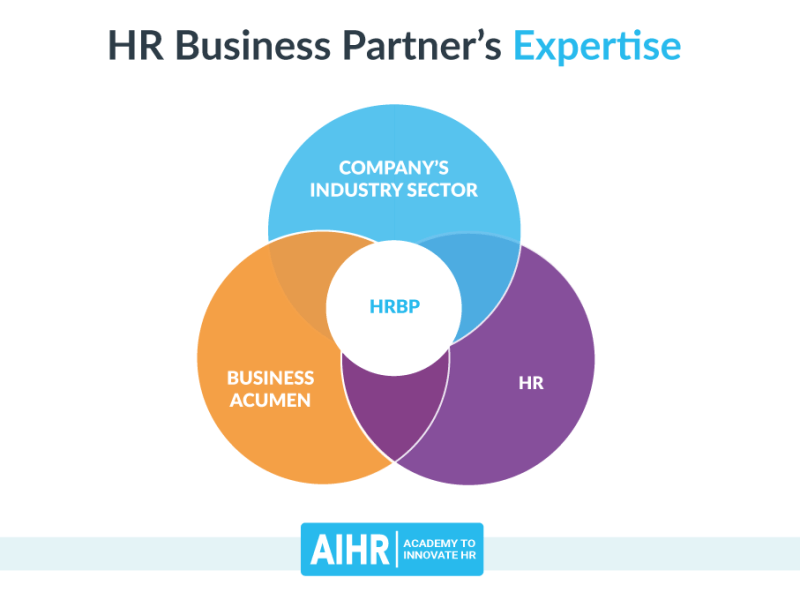
What is the objective of HRBP?
The objective of a HRBP (Human Resources Business Partner) is to align HR strategies and practices with the overall business objectives of the organization. HRBPs serve as a bridge between the HR department and the business units they support, ensuring that HR initiatives and programs are closely integrated with the needs and goals of the…
Something went wrong. Please refresh the page and/or try again.
Follow My Blog
Get new content delivered directly to your inbox.
 Eashablogs